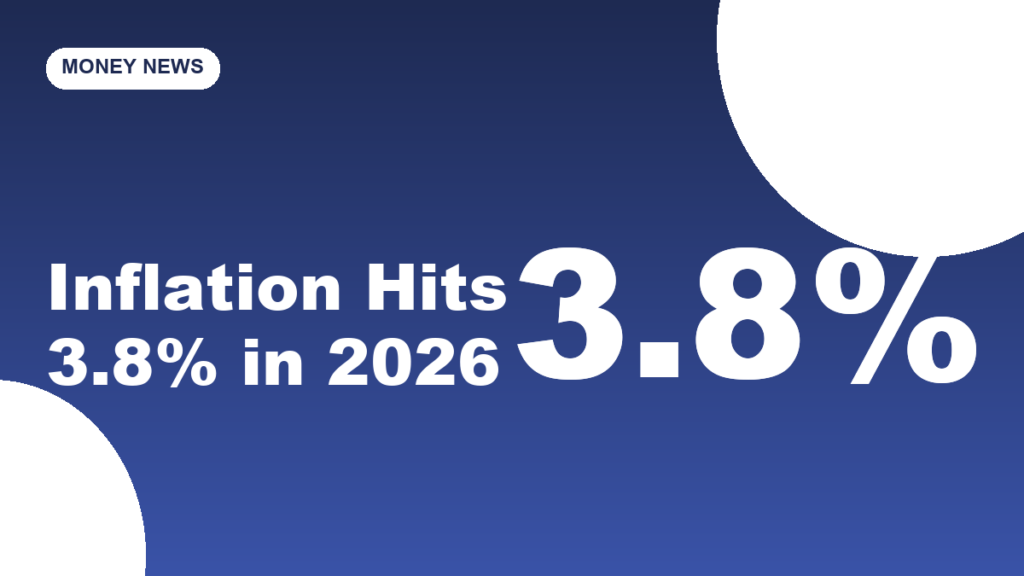
If your paycheck feels like it stretches less than it did a year ago, you are not imagining it. The Consumer Price Index rose 3.8% over the 12 months ending in April 2026 — the largest annual increase since May 2023. After a couple of years of cooling, prices have picked up speed again, and a few categories are doing most of the damage. Here is a plain look at what got more expensive, why, and the practical moves that can take the pressure off your monthly budget.
What got more expensive in 2026
Not everything rose at the same pace. A handful of essentials carried most of the increase:
- Gasoline jumped about 28.4% over the year — by far the biggest mover and the one you feel every time you fill the tank.
- Shelter (rent and the cost of owning a home) rose roughly 3.3%. Because housing is the single largest line item in most household budgets, even a modest percentage adds up to real dollars.
- Food climbed about 3.2%, hitting both groceries and restaurant meals.
Energy and housing were the main drivers. When fuel costs rise, the effect ripples outward — it costs more to ship food, heat and cool buildings, and run almost every business that touches your daily life. That is why a spike concentrated in a few categories can still make your whole budget feel tighter.
Why prices are climbing again
Inflation simply measures how much average prices change over time. A 3.8% annual rate means a basket of goods that cost $100 a year ago now costs about $103.80. The recent acceleration was led by energy, which is volatile and can swing sharply on global supply and demand, and by shelter, which tends to move slowly but stays elevated once it climbs. Because these two categories are large and hard to avoid, they pull the overall number up even when other prices are calmer. Inflation figures are updated monthly, so if you want the latest reading, check the official source — the U.S. Bureau of Labor Statistics — rather than relying on older headlines.
Find your biggest leaks before you cut
The most effective budget defense is knowing exactly where your money goes. Pull the last two or three months of bank and card statements and sort spending into categories. Most people are surprised by one or two of them. Focus your effort on the largest buckets — usually housing, food, transportation, and energy — because trimming 10% from a big category beats squeezing pennies from a small one.
If you want a sense of which everyday costs moved most so you can prioritize, this breakdown of where prices rose the most in 2026 makes it easier to target the categories that are actually eating your paycheck instead of guessing.
Practical ways to lower your bills
Once you know your trouble spots, a few targeted habits can claw back real money:
- Switch to generic. Store-brand groceries, medications, and household goods are often made to similar standards as name brands for noticeably less. Compare the unit price, not the sticker price.
- Plan meals and shop with a list. Buying only what you’ll actually cook cuts both impulse spending and food waste, which quietly inflates grocery bills.
- Trim energy use. Adjusting the thermostat a few degrees, sealing drafts, running full loads of laundry, and unplugging idle electronics can shave a meaningful amount off a higher utility bill.
- Drive smarter. With gas up sharply, combining errands into one trip, keeping tires properly inflated, and easing off hard acceleration all stretch a tank further.
- Review recurring charges. Cancel subscriptions you forgot about and call providers to ask for a better rate on insurance, internet, or phone service. A five-minute call can pay off for a full year.
Boost income and make your cash work harder
Cutting costs has a floor; earning more does not. If your budget is already lean, look for ways to add income — a raise conversation, occasional overtime, freelance work, or selling things you no longer use. Even a modest, steady side income can absorb the bite of higher prices.
Just as important: don’t let the savings you do have sit idle. Money parked in a standard checking account earns almost nothing while prices rise. Moving your emergency fund and short-term savings into a high-yield savings account lets the balance earn interest that helps offset inflation, while staying available when you need it. Compare current rates before you open one, since they change with the broader rate environment.
The bottom line
A 3.8% rise in prices won’t reverse overnight, but it is manageable when you respond deliberately instead of anxiously. Track where your money goes, attack your biggest categories first, lean on generics and energy savings, and put idle cash somewhere it can grow. Small, consistent adjustments compound — and they put you back in control of a budget that inflation has been quietly squeezing. For more plain-English breakdowns and step-by-step money guides, WalletWisp is a helpful place to keep learning.